Why We Exist
How AI shapes our future depends on our actions today
Long Story Short
TL;DR
- 1
Ready or Not, Here AI Comes
AI is already reshaping our world, and ignoring it only raises the risk of harm while missing opportunities for good. - 2
Collaboration & Experimentation Are Non-Negotiable
AI is too big and fast for any single sector—or passive approach—to handle responsibly. - 3
We Need New Ways of Working
The status quo isn't equipped for AI's impacts or complexity. We need new collaboration structures that unite diverse expertise and accelerate bold action.
Ready Or Not, Here AI Comes
We can't afford to treat AI like a distant 'future' technology that will wait for us to catch up. It is already here, redefining how governments plan, companies compete, and people thrive. Our choice is simple: work together so that we all share in AI's potential, or stay on the sidelines while others race ahead, and the rest of us fall behind.
Small-Scale Users, High-Scale Uses
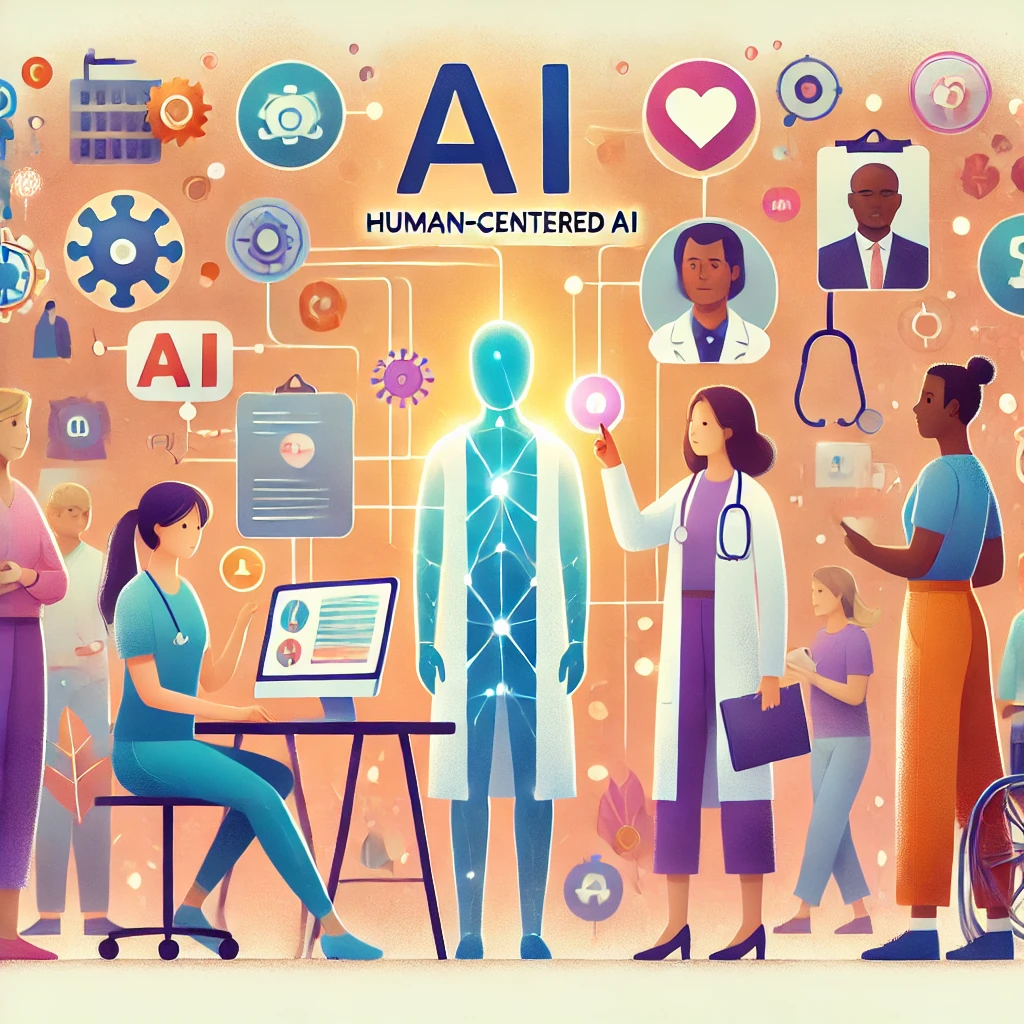
Some of the most globally significant AI applications start small. Dedicated teams nested deeply within government institutions and local groups like nonprofits, councils, and regional healthcare providers are on the frontlines of challenges that echo worldwide (e.g., access to healthcare, social services, education).
These smaller players understand local needs deeply, but lack the resources, expertise, or influence to experiment with AI. Tech experts, in turn, are often disconnected from local insights and vital channels of impact.
If we bridge these gaps, everyone wins: with the right allies working together, a real-world breakthrough in one region could scale worldwide. If we fail to support cross-sector allies in exploring AI, we're leaving massive social impact on the table, and letting others dictate AI's direction.

If We Win
AI can help us end poverty and democratize society. If we work proactively, AI will boost our quality of life, lower barriers to economic opportunity, expand access to education and healthcare, and empower everyone to create, access, and harness knowledge.
We achieve this by working together. Government allies become powerful vehicles for impact. Industry scales innovations that solve real problems, while academia and civil society ensure rigor, ethics, and local relevance. This virtuous cycle democratizes AI's advantages and brings real change where it's most needed.

Why We Can't Fail
AI mirrors and amplifies the systems it is built for. If we treat AI applications as someone else's responsibility, we will let divides widen. As trailblazers in our communities, industries and regions will charge ahead, defining how things work for the rest of us, the rest of us will be left behind.
Bias and reliability come up a lot with AI, but algorithms aren't everything. We need community representation to reduce bias in where we focus, and community insights for solutions to reliably account for realities of the people they affect.
If governments sit back, communities most in need will pay the price. Vulnerable people facing hardship, distress and disadvantage, reliant on government services, will feel the pain more than anyone if officials apply AI poorly, or not at all. The more Governments lag behind, the more divides will widen.

Collaboration & Experimentation Are Critical
No single sector can address AI's sprawling challenges alone. We must converge our distinct strengths—and do it in a way that embraces hands-on experimentation and iteration over rigid plans.
Why Experimentation Matters
- 1
AI Demands a New Approach
AI evolves rapidly, and building robust systems requires iterative deployment and real-world testing. Rigid, siloed processes—like multi-year processes or waterfall-style projects—create rather than reduce risk, and kill the creativity and agility that success demands. - 2
Learn Fast, Fix Early
Iterative, hands-on trials let us fail small and learn fast, ensuring we fix problems early and refine solutions alongside real users and impacted communities. - 3
Shared Responsibility, Shared Success
Cross-sector collaboration means pooling our diverse expertise and resources to shape, test and refine more effective, more resilient solutions. Done under a shared banner, each time we do so also builds resilience and trust in our ecosystem, transforming how we we can work together into the long term.
Working Together Across Sectors
Our alliance spans every sector. Each of us brings unique strengths and perspectives that are essential for responsible AI development.
Scale & Stewardship
Why We Matter: Governments deliver core services and develop policies for all of us - allies in government offer unparalleled channels for impact, and can steer AI toward the public good at scale. People who rely on public services—often marginalized communities—stand to gain the most if governments embrace innovation well, and include them in shaping it.
What We Need: Governments need real-time insights from industry, new research from academia, and lived experiences from civil society to keep pace with rapid AI advances. Officials also need faster, iterative ways to test and learn with communities and industry - but traditional procurement and policy cycles move slowly, stifling innovation.

We Need New Ways to Work Together
These challenges show up whenever we try to bring different sectors together. They're not just inconveniences - they're signs that we need new ways of working that fit the unique challenges of ethical AI development.
Systems Fight Each Other
Different sectors have their own ways of working - their own processes, rules, and priorities. Without deliberate bridge-building, these differences become barriers instead of strengths.
"So I finally got all the approvals from my department to start the AI ethics collaboration... only to find out we need to restart the entire process because the university's data sharing agreement template 'doesn't have a checkbox for AI projects.'"
"We spent six months getting the perfect cross-sector working group together. Then Legal sent us their 47-page partnership agreement template and three organizations immediately dropped out."
"I tried explaining to Procurement that no, I can't get three competitive quotes for this collaboration because it's literally the first time anyone's tried to do this... They said 'Well then how do we know it's value for money?'"
"The community group has been trying to share their insights with us for months, but apparently they need to be a 'registered vendor' first. The registration process requires three years of audited financials..."
"In yesterday's steering committee, I had to explain our delays by listing our approval processes. Everyone laughed at 'waiting for the working group to approve the terms of reference for the committee that will review our framework.'"
The First Step is the Hardest
We're stuck in a catch-22: we need to work together to build trust, but everyone wants trust before they'll work together. And while we stay cautious, AI development races ahead.
"My manager told me to 'be innovative but not too innovative' and 'take risks but make sure nothing can go wrong.' I literally don't know what that means."
"We finally got the university and the tech company in the same room. The academics spent the whole time asking for raw data access, while the company lawyers kept repeating 'we need to protect our IP.' Three hours and we couldn't even agree on what 'sharing' meant."
"Found out today that the 'rapid pilot' we want to run needs to go through the same approval process as a full national rollout. Because 'what if the media gets hold of it and it's not perfect?'"
"The community representatives asked if they could test the prototype. Four different departments immediately started listing all the ways it could go wrong. No one even asked what the community wanted to test for."
"Just sat through another meeting where everyone agreed we need to 'move fast and break things' right before spending two hours discussing why we can't possibly try anything new until we've 'addressed all potential risks.'"
Trapped in Silos
Each sector has unique resources - technical skills, community trust, data, funding. But organizational boundaries and misaligned incentives keep these resources from combining in ways that could create breakthrough solutions.
"Our team has spent years building relationships with local communities. We know exactly what they need from AI tools. But every time we try to talk to tech companies, they ask how many ML engineers we have on staff..."
"The researchers have this amazing ethical AI framework but it's stuck in a 200-page academic paper. When I asked if they could help us make it practical, they said 'that's not what we do' and suggested we 'review the literature.'"
"Found out three other government departments are working on almost identical AI ethics guidelines. None of us knew about the others because apparently sharing draft policies across departments is 'not standard practice.'"
"The grant application asked us to predict our 'collaboration outcomes' for the next three years. How are we supposed to know what we'll discover when we're literally trying to do something that's never been done before?"
"We have the community trust, they have the technical skills, and government has the data. But our funding is split across six different programs and none of them will pay for 'coordination time.' So here we are, still working in silos."
Breaking Through With New Ways of Working
The status quo isn't equipped for AI's complexity and pace. We need new collaboration models that unite diverse expertise and accelerate responsible innovation.
A Banner for Bold Action
Our alliance brings together forward-thinking government officials, community champions, industry pioneers, and leading experts across sectors and borders. Our open Memorandum of Understanding creates a shared foundation for action, turning scattered allies and grassroots efforts into a coordinated force for change.
See the barriers and our remedies
Three Dimensions of Action
To harness AI's full potential while ensuring it benefits everyone, we work together across three reinforcing dimensions:
Spark builds capacity and community, Sculpt shapes tools and solutions with the communities they serve, and Steward ensures progress stays responsible and inclusive.
Explore the three dimensions →
Join Us
We're not interested in tweaking the margins. We're creating new ways to work together and turn good intentions into real impact.
Working Together → Bigger Impact
When sectors combine their strengths, we unlock new possibilities. Government scale meets industry innovation. Academic insights shape real solutions. Community knowledge guides development. Together, we can tackle challenges no single sector could solve alone.

Success Breeds Success
Each practical collaboration makes the next one easier. Working together to align and drive real initiatives builds the relationships, processes and confidence that unlock bolder joint action. What starts as small pilots grows into deeper partnerships. As teams see what's possible through hands-on collaboration, working across boundaries becomes the obvious way to tackle shared challenges.

Innovators Without Borders
Join allies including...







...and 50+ signatories from governments, industry, academia, and civil society